Every successful construction project begins with a strong and dependable foundation. Whether constructing high-rise buildings, underground parking structures, tunnels, or retaining systems, proper foundation engineering plays a critical role in ensuring structural stability. As urban development continues to expand, engineers and contractors increasingly rely on innovative construction techniques that provide both strength and flexibility in challenging ground conditions.
Modern foundation solutions are designed to improve efficiency while maintaining safety and long-term performance. Choosing the appropriate retaining system depends on soil conditions, groundwater levels, project size, and engineering requirements. This article explains the importance of advanced foundation methods, discusses their advantages, highlights quality and safety considerations, and explores why specialized construction techniques continue to gain popularity.
Understanding Modern Retaining Wall Systems
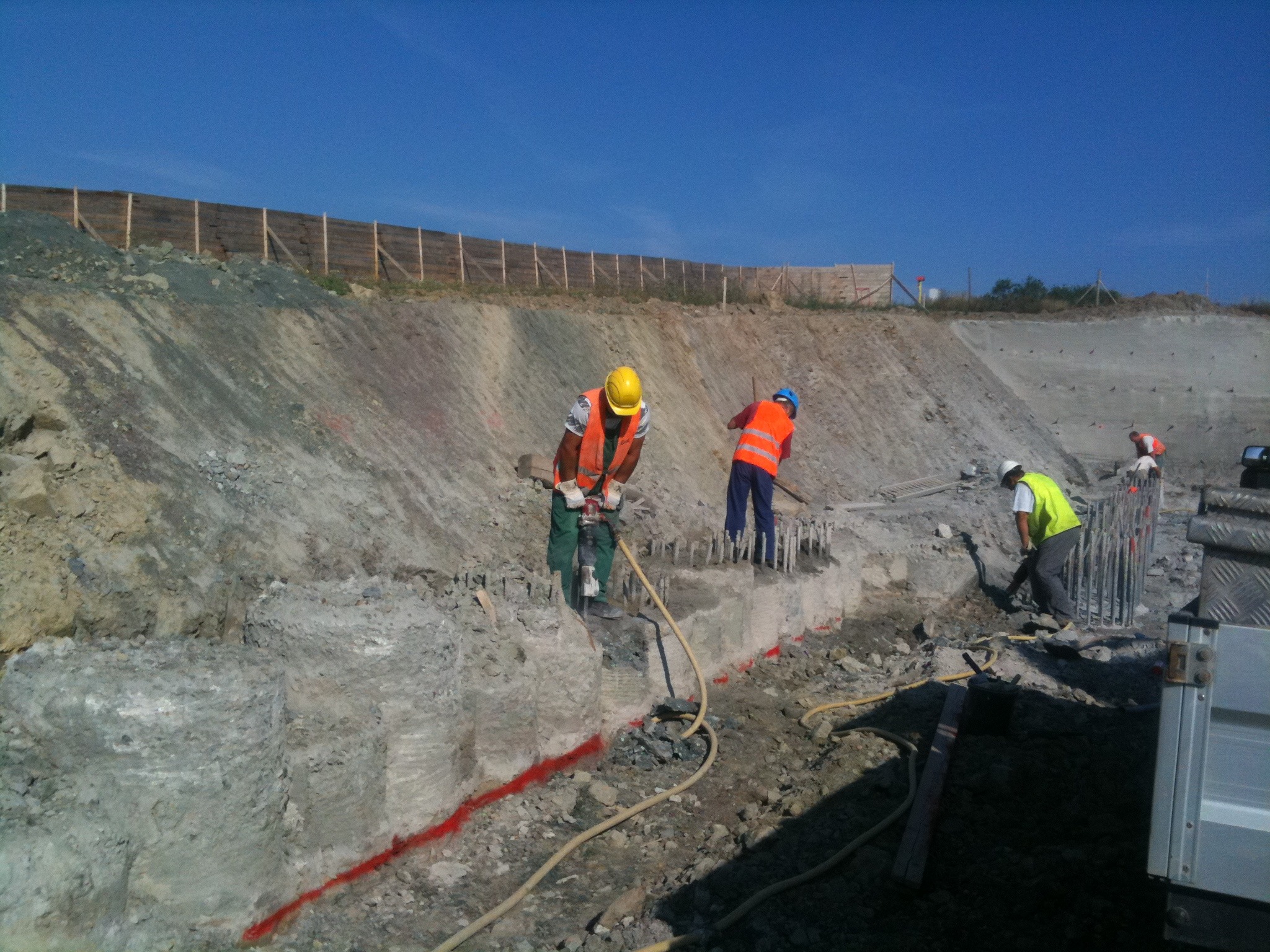
A secant wall is a widely used retaining structure created by constructing overlapping concrete piles that form a continuous barrier. This method is commonly selected for projects requiring excavation support, groundwater control, and structural stability in confined urban environments.
The overlapping arrangement creates a durable wall capable of resisting soil pressure while minimizing ground movement. This makes the system suitable for deep excavations located near existing buildings, roads, or underground utilities where stability is especially important.
Engineers evaluate several factors before selecting this construction method, including soil characteristics, excavation depth, nearby structures, and environmental conditions. Careful planning allows contractors to achieve reliable performance while maintaining project efficiency.
Modern retaining wall solutions continue to support increasingly complex construction projects in both commercial and infrastructure development.
Advantages of Advanced Foundation Techniques
Foundation engineering has evolved significantly with improvements in construction equipment, drilling technology, and project planning methods. Modern techniques allow contractors to complete demanding
projects with greater precision while maintaining consistent quality throughout every construction stage.
Efficient drilling equipment improves pile alignment and installation accuracy, reducing unnecessary delays during construction. Advanced planning also helps coordinate excavation, reinforcement placement, and concrete installation more effectively.
Another important advantage is the ability to adapt construction methods to different ground conditions. Flexible engineering solutions help contractors address varying soil types, groundwater levels, and project requirements without compromising structural performance.
These advancements contribute to greater productivity while supporting dependable long-term results.
Quality and Safety Throughout Construction
Maintaining high construction standards requires continuous attention to both quality control and workplace safety. Foundation projects involve specialized equipment, heavy materials, and detailed engineering specifications that demand careful supervision.
Regular inspections help verify pile alignment, concrete quality, reinforcement placement, and overall construction accuracy. Proper monitoring throughout each stage supports structural reliability while reducing the possibility of costly corrections later in the project.
Operator training, equipment maintenance, and compliance with engineering specifications further improve construction quality. Safe working practices protect personnel while helping projects progress according to schedule.
A combination of technical expertise and careful project manage
ment creates stronger and more dependable foundation systems.
Why Specialized Pile Construction Continues to Grow
Modern secant pile construction has become an important solution for projects requiring reliable earth retention and groundwater management. This construction method is particularly valuable in locations where excavation must take place close to neighboring structures or within densely developed urban environments.
Specialized construction techniques allow engineers to create strong retaining systems that support deep excavations while minimizing disruption to surrounding infrastructure. Modern equipment also improves installation accuracy, helping contractors maintain consistent pile overlap and structural integrity.
As construction projects become increasingly complex, demand continues to grow for efficient methods that combine durability, precision, and adaptability. Proper engineering design and skilled execution contribute to successful project outcomes while supporting long-term structural performance.
Advanced pile systems remain an important component of modern civil engineering projects.
Conclusion
Strong foundations are essential for safe and successful construction, and advanced retaining systems continue to improve both efficiency and structural reliability. Careful engineering, accurate installation, effective quality control, and modern construction technology all contribute to dependable foundation performance in challenging environments. Selecting appropriate construction methods helps support project success while maintaining long-term stability.
For construction professionals seeking specialized foundation sol
tions and technical expertise, brextor.com offers valuable information and professional resources. Whether evaluating a secant wall for excavation support or exploring secant pile construction for complex infrastructure projects, choosing proven engineering methods and reliable equipment contributes to stronger foundations and successful construction outcomes.