Every successful construction project begins beneath the surface, where a stable foundation supports the strength and durability of the entire structure. As cities continue to grow and available construction space becomes more limited, engineers rely on advanced foundation systems to safely manage deep excavations and protect nearby buildings. Selecting the right shoring method is essential for maintaining structural stability while allowing projects to progress efficiently.
Foundation engineering combines careful planning, specialized equipment, and proven construction techniques to address different ground conditions. The correct retaining system helps control soil movement, supports excavation work, and contributes to long-term structural performance. This article discusses the importance of modern shoring methods, explains their advantages, highlights safety and quality considerations, and examines why advanced pile systems remain valuable for complex construction projects.
Understanding Modern Shoring Systems
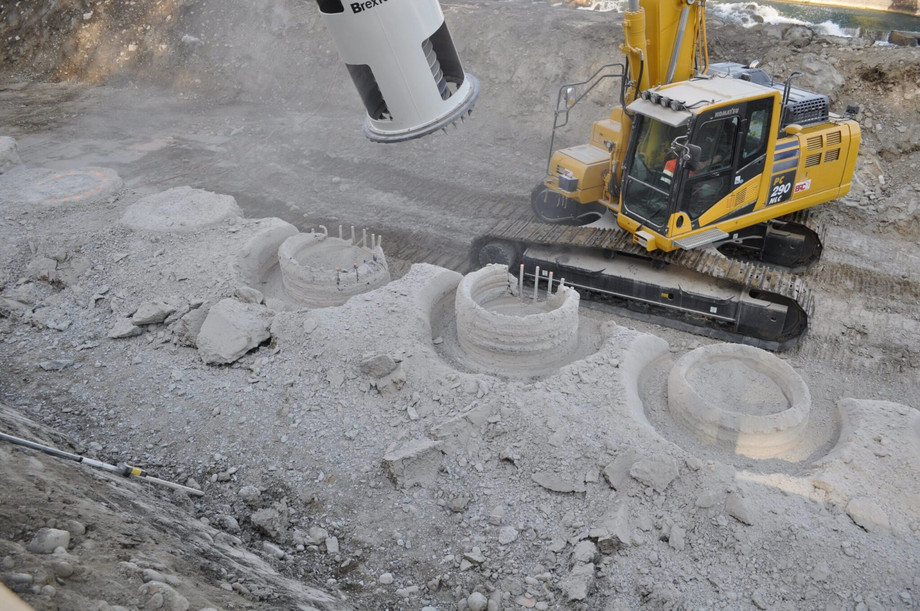
One widely used solution is contiguous pile shoring, a foundation support method that consists of closely spaced reinforced concrete piles installed side by side. Small gaps remain between the piles, making this system suitable for projects where complete groundwater sealing is not required but reliable soil retention is essential.
This construction method is frequently selected for commercial buildings, residential developments, underground parking facilities, and infrastructure projects that require controlled excavation. Engineers evaluate factors such as soil conditions, excavation depth, nearby structures, and project requirements before choosing the most suitable shoring system.
Proper installation allows the piles to resist earth pressure while providing dependable support throughout excavation activities. Careful planning and accurate execution contribute to improved construction efficiency and enhanced structural reliability.
Modern engineering continues to refine these methods, making them practical for a wide variety of construction environments.
Benefits of Advanced Foundation Engineering
Foundation systems have evolved significantly contiguous bored pile wall through improvements in construction technology and engineering design. Modern drilling equipment provides greater accuracy during pile installation, helping contractors maintain alignment and structural consistency throughout the project.
Advanced equipment also improves productivity by reducing installation time while maintaining high-quality workmanship. Better planning and improved project coordination allow different construction stages to proceed more smoothly with fewer delays.
Flexible foundation solutions provide additional advantages because they can be adapted to varying soil types and project requirements. Whether working in dense urban environments or open construction sites, engineers can select techniques that best match local conditions.
These improvements support safer construction while enhancing overall project performance and long-term durability.
Quality Control and Construction Safety
Every foundation project requires careful quality management to achieve reliable structural performance. Accurate surveying, proper reinforcement placement, concrete quality verification, and continuous inspection all contribute to successful installation.
Construction safety remains equally important throughout excavation and foundation work. Heavy machinery, drilling operations, and reinforced concrete installation require skilled operators and well-organized project management. Proper equipment maintenance and compliance with engineering specifications reduce operational risks while supporting efficient project completion.
Regular inspections also help identify potential issues before they affect later stages of construction. Addressing concerns early improves project quality while minimizing costly corrections.
Combining technical expertise with strict quality standards creates dependacapable of supporting demanding structural requirements.sportation infrastructure, commercial developments, and urban construction sites where neighboring buildings require protection.
The system allows contractors to create stable excavation boundaries while minimizing disruption to surrounding structures. Modern drilling technology improves pile positioning and consistency, contributing to reliable structural performance throughout construction.
Engineers carefully evaluate project conditions before selecting this method to ensure that the retaining system satisfies both design requirements and construction objectives. Proper planning, skilled installation, and continuous monitoring all contribute to successful project outcomes.
As urban construction continues to expand, advanced bored pile systems remain an important part of modern foundation engineering.
Conclusion
Reliable foundation systems are essential for achieving safe, efficient, and durable construction projects. Careful engineering design, accurate installation, advanced equipment, and continuous quality control all contribute to successful excavation support and long-term structural stability. Selecting appropriate shoring methods helps contractors manage challenging site conditions while maintaining high construction standards.
For construction professionals seeking specialized foundation equipment and technical expertise, brextor.com offers valuable information and professional solutions. Whether evaluating contiguous pile shoring for excavation support or considering a contiguous bored pile wall for complex foundation projects, modern engineering methods and dependable equipment contribute to stronger foundations and successful construction results.